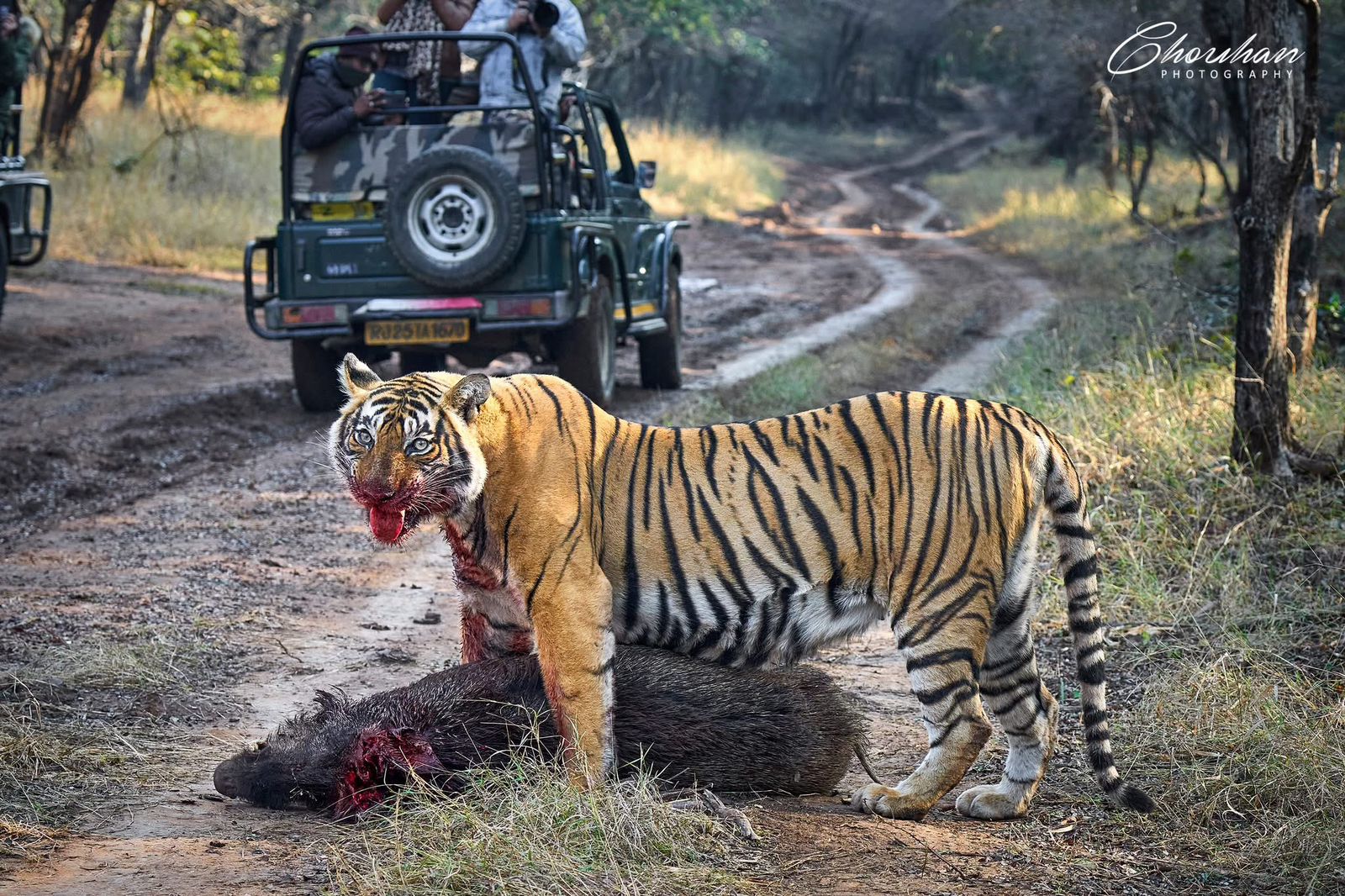
Ranthambore Tiger Reserve

4.7

Client Ratings

Descriptions

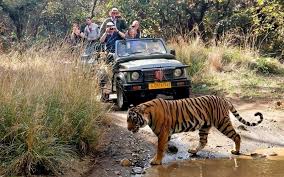
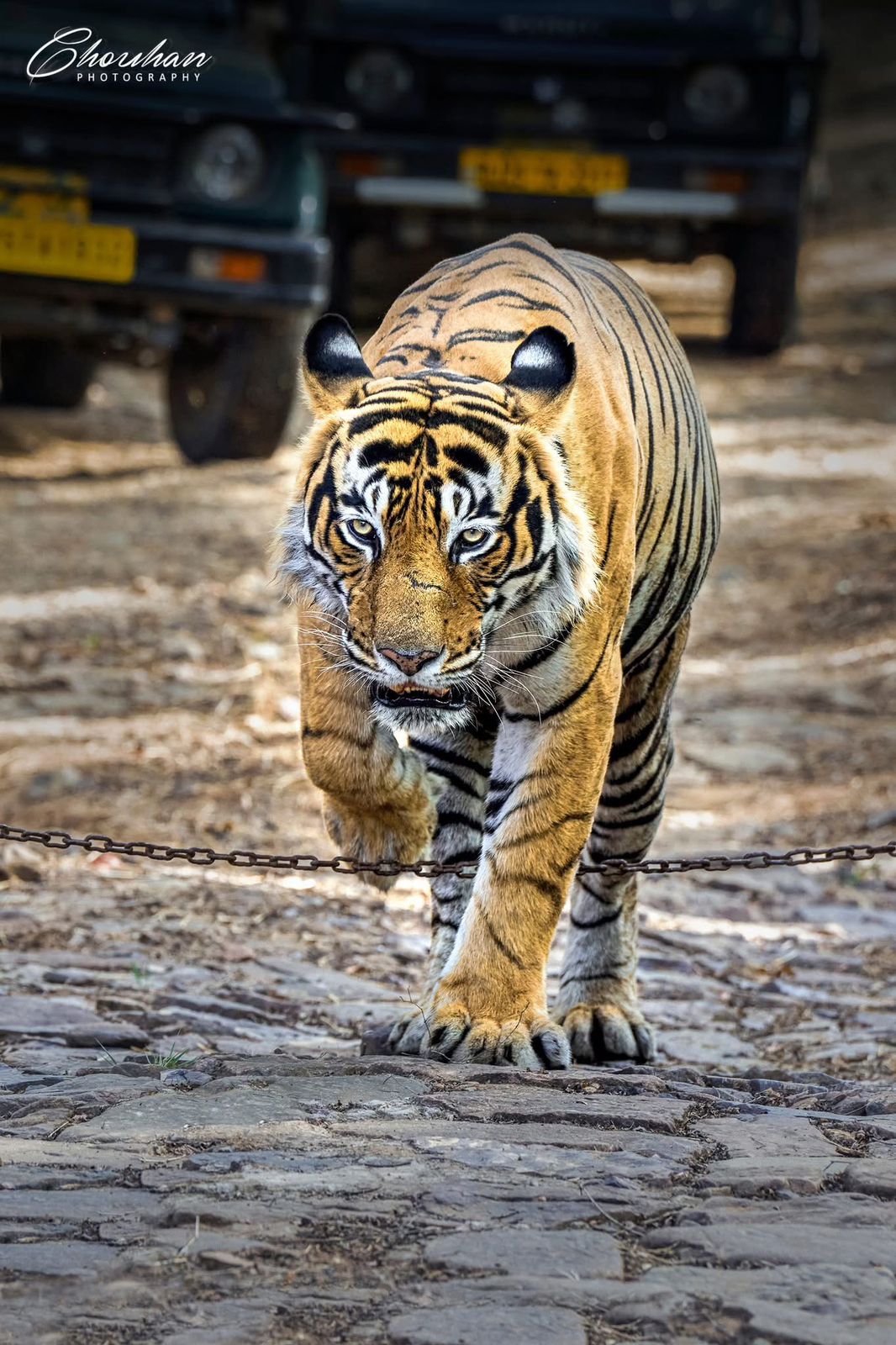
Renowned for its magnificent Royal Bengal tigers and ancient ruins, Ranthambore Tiger Reserve is one of India’s most well-known wildlife sanctuaries situated in the southeast of Rajasthan. Covering 1,334 square kilometers, the reserve presents a special mix of dry deciduous trees, rocky terrain, open grasslands, and ancient buildings including the 10th-century Ranthambore Fort. One of the best locations in India to see tigers in their native environment is this stunning scenery with great tiger density. Ranthambore boasts a great range of species outside tigers, hence every safari is an exciting adventure.

Dedication to Protected Wildlife Conservation
Our Veterinary Unit and Quick Response Team are absolutely vital at Ranthambore Tiger Reserve in maintaining the safety and welfare of the local species.

  • Our skilled veterinarian team treats sick and damaged animals, therefore helping them to recover and heal.
  • We actively seek to minimize human-wildlife confrontations by rescuing injured animals and applying preventative actions.
  • Scientific Research and Habitat Conservation: Constant studies and efforts at habitat restoration help to protect Ranthambore’s fragile ecosystem.
  • Local communities participate in conservation initiatives, therefore promoting a feeling of coexistence and responsibility for animals.

Book Safari

Start From ₹3000

Booking Form
Flora

Dry deciduous forests, combining Dhok trees (Anogeissus pendula), Banyan, Peepal, and Flame of the Forest, define Ranthambore’s scenery. Ber, Acacia, and fruit-bearing trees cover the rocky hills and plateaus of the area, therefore giving food and cover for many different animals. Rich vegetation surrounds seasonal streams and lakes on the reserve, including Padam Talao, Malik Talao, and Rajbagh Talao, so transforming the normally parched terrain into an oasis.

Fauna

Renowned for its abundant Bengal tiger population, Ranthambore is among the most sought-after locations for sightings of tigers. Aside from tigers, the reserve boasts leopards, sloth bears, striped hyenas, wild boars, jackals, and Indian foxes. Big herbivores such sambar deer, chital (spotted deer), nilgai (blue bull), and chinkara (Indian gazelle) draw to the grasslands and water bodies. Along with a range of freshwater species, the lakes include mugger crocodiles, turtles, and With more than 300 bird species—including crested serpent eagles, painted storks, Indian hornbills, and paradise flycatchers— Ranthambore is also a heaven for birdwatchers.

Why Choose BigCat Safari

Experience the Difference

Expertise in Wildlife Safaris

Our team knows the wild inside out, ensuring you the best animal sightings. Every safari is guided by experts who understand nature’s rhythm.

Personalized Itineraries

Your journey is crafted to match your pace, interests, and comfort. We tailor every trip to make it uniquely yours.

Best Price Guarantee

Enjoy the best adventures without stretching your budget. We ensure competitive pricing with no hidden costs.

Experienced Naturalists & Guides

Passionate experts lead every journey, enhancing your safari experience. Their knowledge brings every sighting and story to life.

Best Time To Visit
  • The best odds of tiger sightings come from October to June, the safari season.
  • November to February: Perfect for birdwatching and photography, cool and pleasant temperature.
  • March to May: Summer months when animals congregate around water sources create more viewing chances.
  • Monsoon (July to September): Although the core zone stays closed, the buffer zone admits just few safaris.
How To Reach
  • By Air: From big cities, Jaipur International Airport (180km away) provides flights.
  • The closest train station by rail is Sawai Madhopur (11 km away), which is conveniently located to Delhi, Mumbai, and Jaipur.
  • Ranthambore may be reached by road from Jaipur, Delhi, and Kota; buses and taxis offer easy means of mobility.

Location For Your Ease

Start From ₹3000