Kuno National Park

4.7

Client Ratings

Descriptions

Nestled in the Sheopur district of Madhya Pradesh, Kuno National Park is one of India’s most exciting wildlife destinations — famous for being the new home of the Asiatic Cheetah after its historic reintroduction in 2022. Sprawled across 748 square kilometers, this park forms part of the larger Kuno Wildlife Division, located within the northern Vindhyan hills.

Named after the Kuno River that flows through its heart, the park is a remarkable example of India’s efforts in wildlife conservation. Initially established as a wildlife sanctuary in 1981 and later upgraded to a national park in 2018, Kuno has evolved into a thriving ecosystem supporting diverse flora and fauna.

Beyond its cheetah fame, the park’s rugged landscape — dotted with grasslands, plateaus, and dry deciduous forests — provides an unforgettable safari experience that rivals some of the best reserves in the country.

Book Safari

Start From ₹3000

Booking Form
Flora

Kuno National Park features northern tropical dry deciduous forests with a mix of grasslands and scrub vegetation. The vegetation is adapted to withstand dry seasons and limited rainfall, providing an ideal environment for herbivores and predators alike.

Common plant species include:

  • Kardhai (Anogeissus pendula)
  • Khair (Acacia catechu)
  • Salai (Boswellia serrata)
  • Tendu (Diospyros melanoxylon)
  • Palash (Butea monosperma)
  • Mahua (Madhuca indica)

These trees and grasses create a perfect mix of dense cover and open plains, making Kuno ideal for both prey and predator species.

Fauna

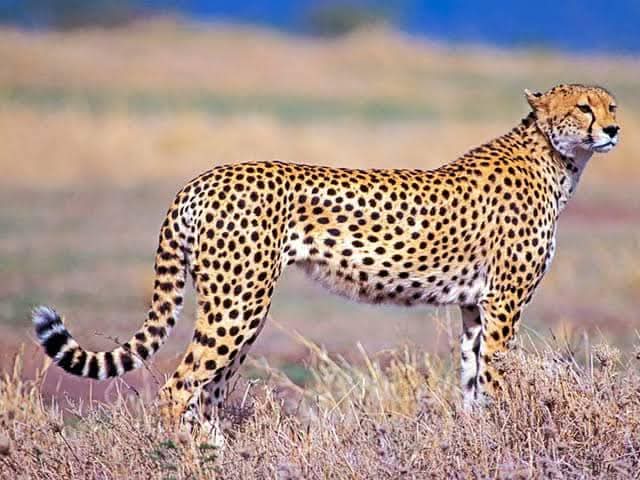
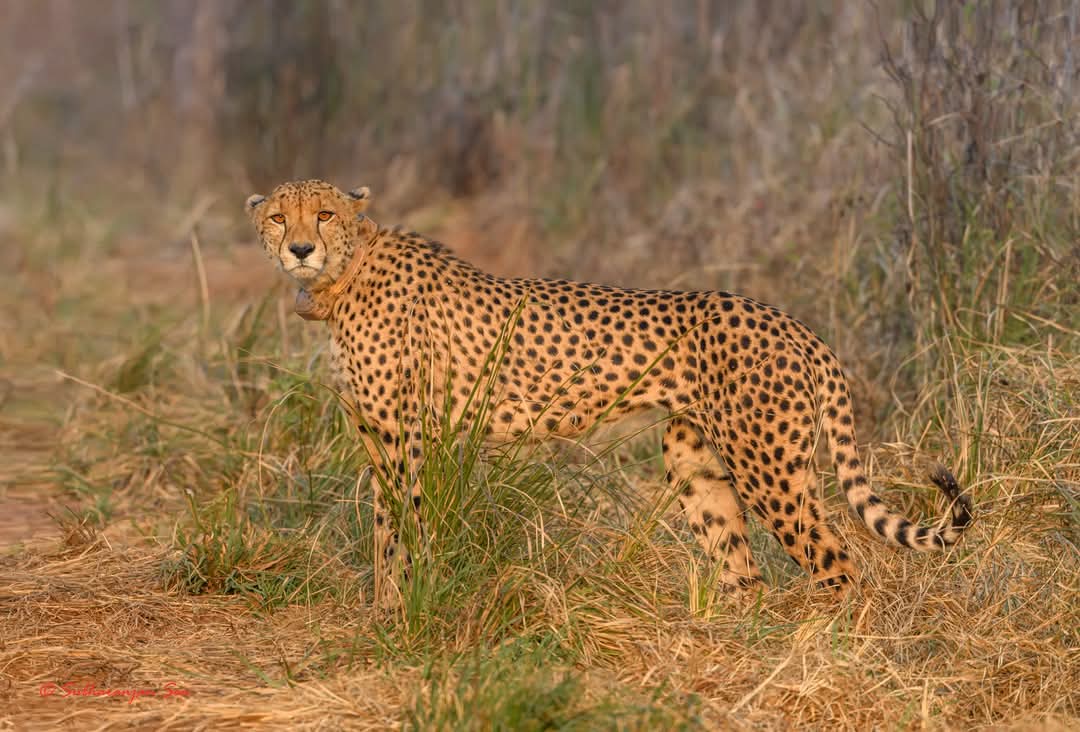
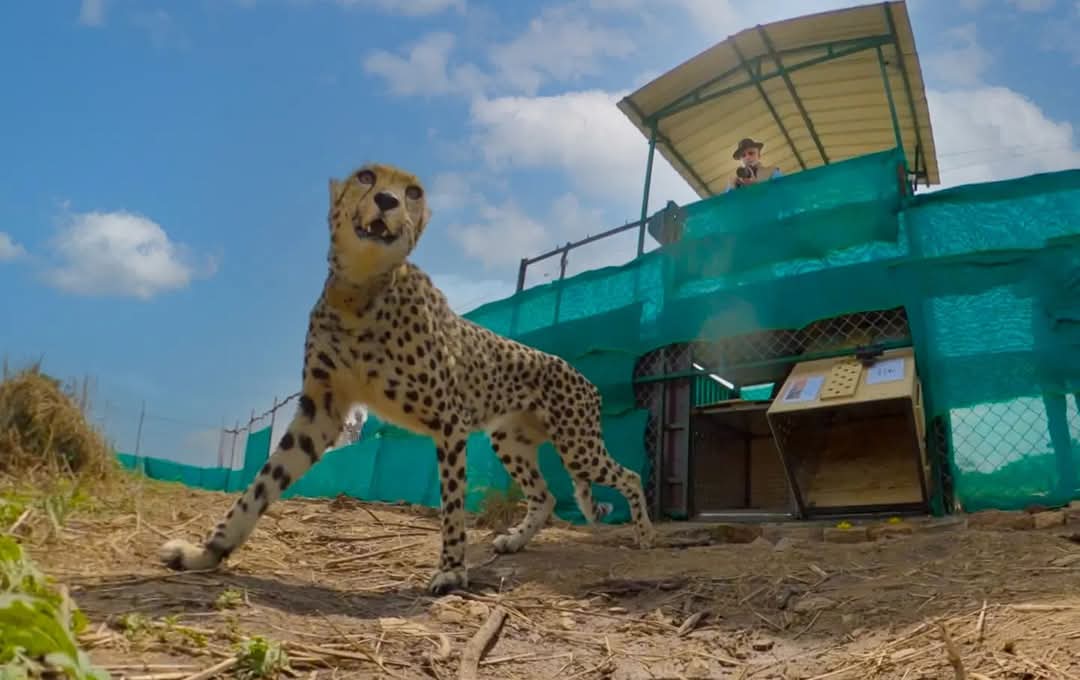
The highlight of Kuno is undoubtedly the Asiatic Cheetah, reintroduced from Namibia and South Africa — making India the only country in Asia to host wild cheetahs once again.
However, the park’s wildlife diversity extends far beyond the cheetah.

Major species include:

  • Predators: Asiatic Cheetah, Indian Leopard, Jungle Cat, Striped Hyena, Jackal
  • Herbivores: Chital (Spotted Deer), Sambar, Nilgai (Blue Bull), Chinkara, Blackbuck, Wild Boar
  • Reptiles: Monitor Lizard, Cobra, Python, Star Tortoise
  • Birds: Over 200 species, including Peafowl, Grey Francolin, Indian Roller, Vultures, Owls, and Migratory Birds during winter

Kuno’s biodiversity makes it an emerging hotspot for wildlife photography, birdwatching, and eco-tourism in central India.

Why Choose BigCat Safari

Experience the Difference

Expertise in Wildlife Safaris

Our team knows the wild inside out, ensuring you the best animal sightings. Every safari is guided by experts who understand nature’s rhythm.

Personalized Itineraries

Your journey is crafted to match your pace, interests, and comfort. We tailor every trip to make it uniquely yours.

Best Price Guarantee

Enjoy the best adventures without stretching your budget. We ensure competitive pricing with no hidden costs.

Experienced Naturalists & Guides

Passionate experts lead every journey, enhancing your safari experience. Their knowledge brings every sighting and story to life.

Best Time To Visit

The best time to visit Kuno National Park is between October and March, when the weather is cool, and wildlife activity is high.

  • Winter (Nov–Feb): Pleasant weather, best for safaris and photography.
  • Summer (Apr–Jun): Hot but ideal for spotting animals near water bodies.
  • Monsoon (Jul–Sep): Lush and green, though safaris may be limited.

Safari Timings:

  • Morning: 6:00 AM – 10:00 AM
  • Evening: 3:00 PM – 6:00 PM

How To Reach

By Air: The nearest airport is Gwalior Airport, about 170 km away. Jaipur Airport (230 km) and Bhopal Airport (360 km) are other options with wider connectivity.

By Train: The nearest railway station is Sheopur Kalan, approximately 60 km from the park. Other nearby stations include Gwalior (170 km) and Shivpuri (140 km).

By Road: Kuno National Park is well-connected by road:

  • From Gwalior: 170 km
  • From Shivpuri: 140 km
  • From Jaipur: 230 km
  • From Bhopal: 360 km

Location For Your Ease

Start From ₹3000