Jhalana Leopard Safari

4.7

Client Ratings

Descriptions

Welcome to Jhalana Leopard Safari, India’s first Leopard Reserve situated in the Heart of Jaipur City, Rajasthan. Nestled amidst the ancient Aravali hills, Jhalana became the first Project Leopard site and a designated leopard reserve in 2017. Spread over an area of 23 sq km, it acts as an Oxygen Bank for the Pink City. Embark on an unforgettable safari experience, where spotting leopards is just the beginning. Encounter a variety of fascinating wildlife, from striped hyenas, Desert Fox, Jungle Cats to Sambar deer and monitor lizards, and much more. Don’t miss the chance to visit Shikaar Audi, a historic hunting lodge nestled within the reserve, offering breath-taking views of the sunrise and sunset.

Fast Facts:
  • Jhalana Leopard Reserve is India’s first Leopard reserve.
  • It boasts a healthy population of over 35 Leopards.
  • The reserve covers an area of over 23 square kilometres.
  • Jhalana opened for tourists in December 2016.
  • The reserve is renowned for its diurnal leopard sightings, providing visitors with ample opportunities to witness these magnificent creatures in their natural habitat.
  • Jhalana Leopard Safari holds a prominent place in wildlife tourism, captivating enthusiasts from around the world.
  • Jhalana has the highest density of leopards for any park in the world.

Book Safari

Start From ₹1999

Booking Form
Flora

Jhalana Leopard Reserve boasts a captivating landscape with mountain valleys, sharp cliffs, grasslands, and a tranquil forest. The tree life here mainly consists of hardy trees that are adapted to surviving with less rainfall and rocky soil. The forest floor and mountain base are covered mainly with Indian Babul (Acacia Nilotica), Kumtaa (Acacia Senegal), Indian Elm or Chaleel (Holoptelea Integrifolia), Ber or Indian Jujube (Ziziphus Mauritiana), Dhak (Buteo Monosperma), Salar (Boswellia Serrata), Guggal (Commiphora Wightii), Khejri (Prosopis Cineraria), and more. The entire mountain ranges are dominated by one single species, “Dhok” (Anogeissus Pendula), which gives colour to the Aravalli mountain range. The reserve is undergoing an afforestation program where more fruit-bearing native trees like Shahtoot and Pilkhan are being planted.

Fauna

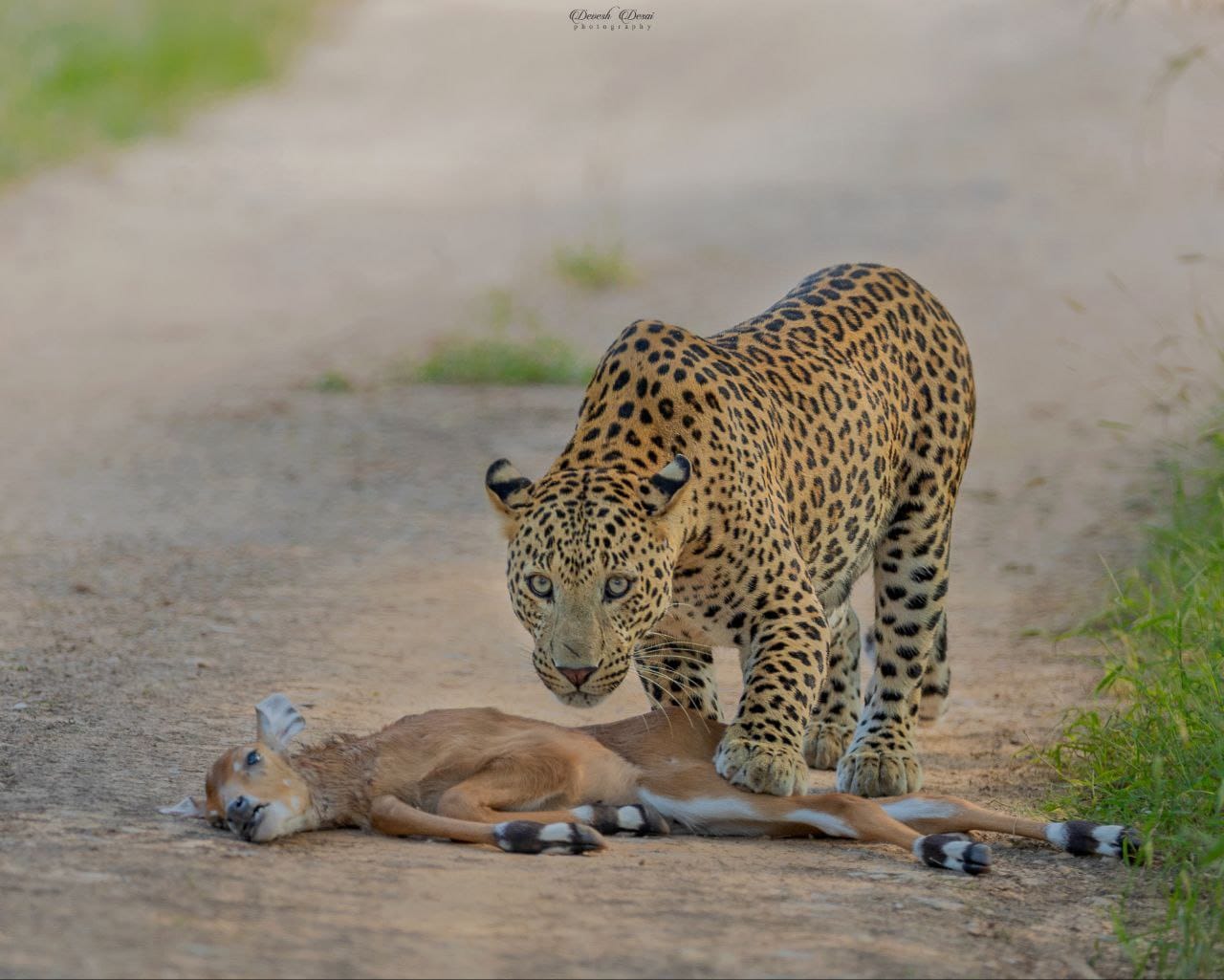
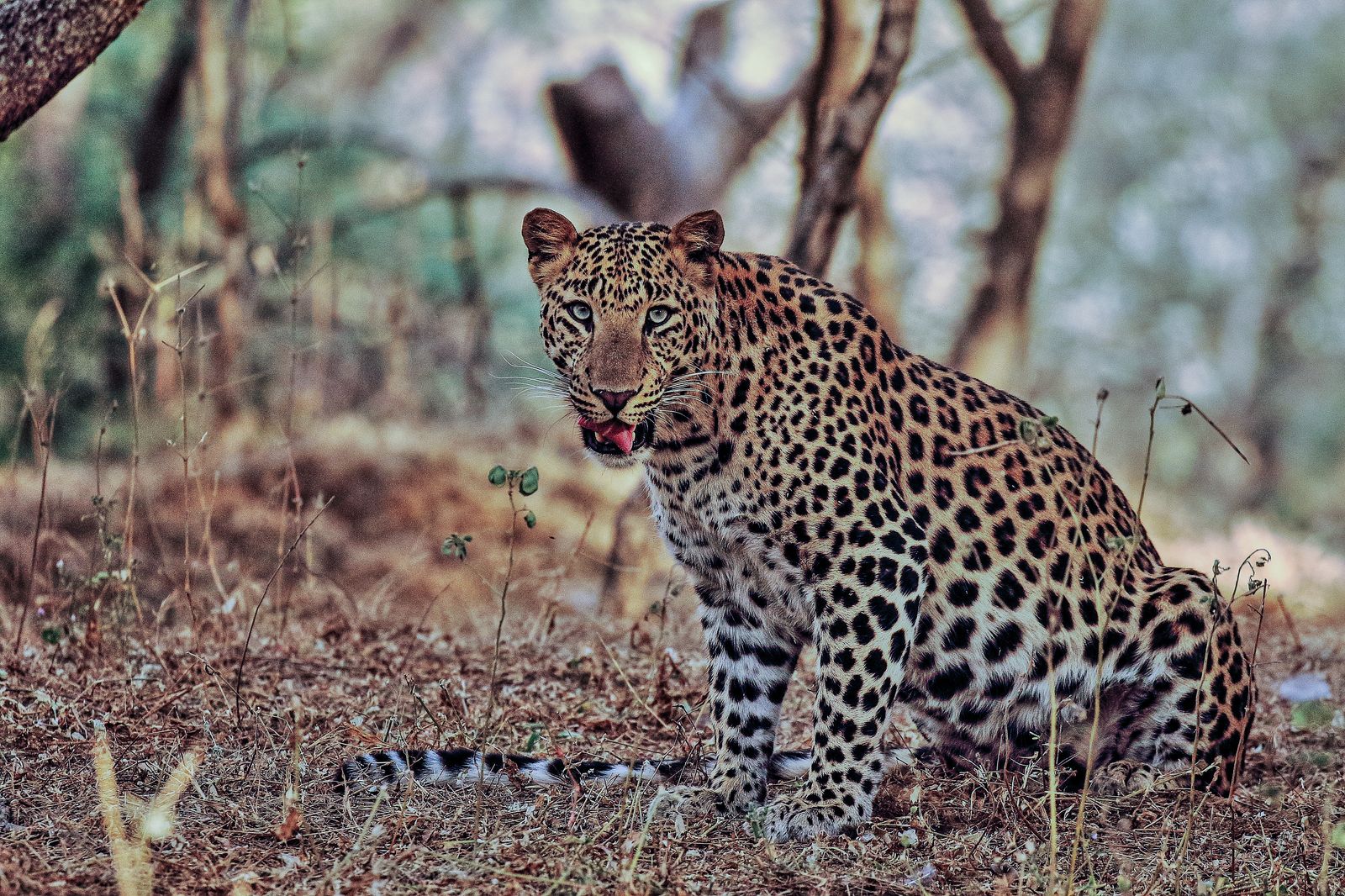
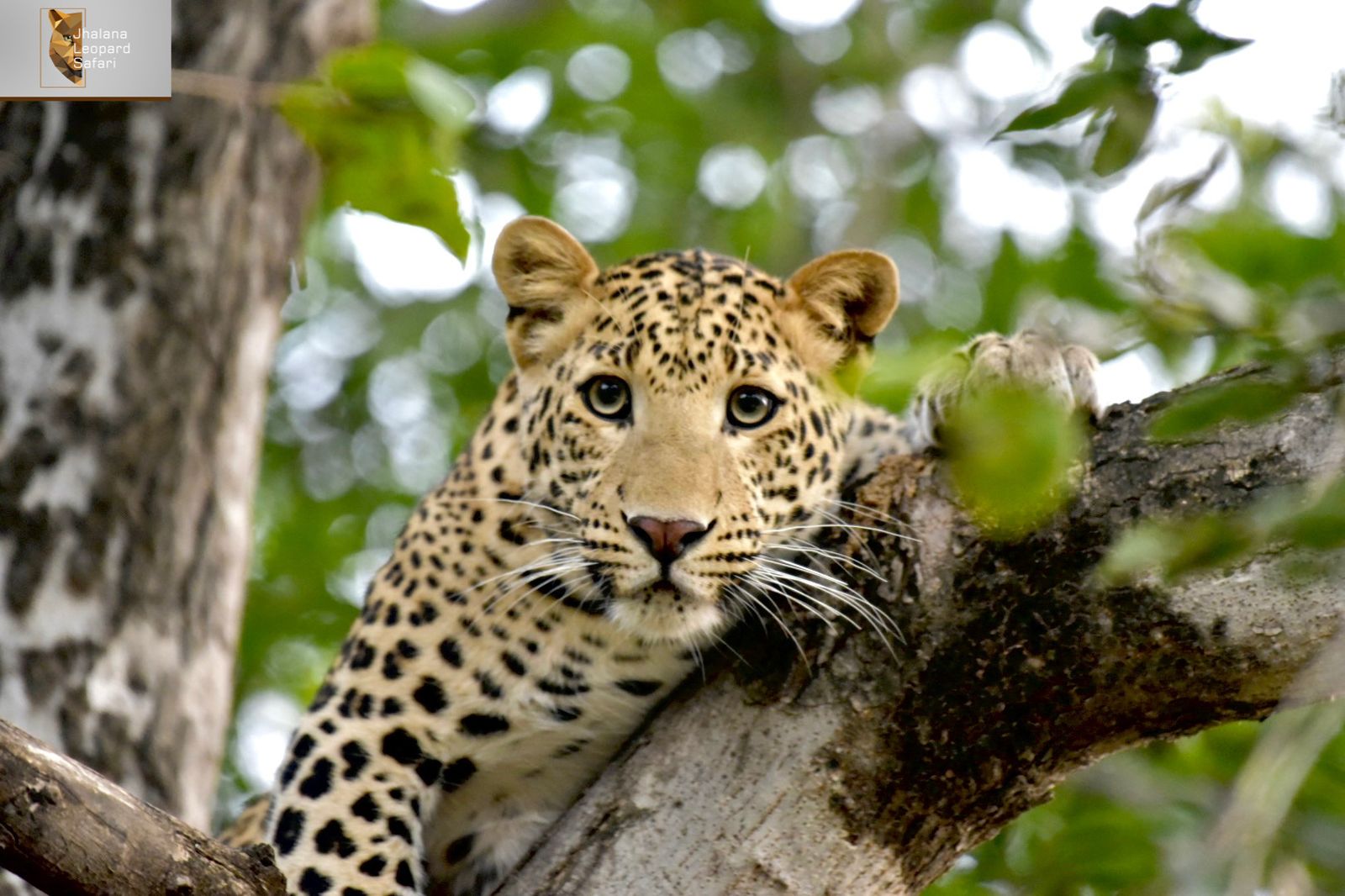
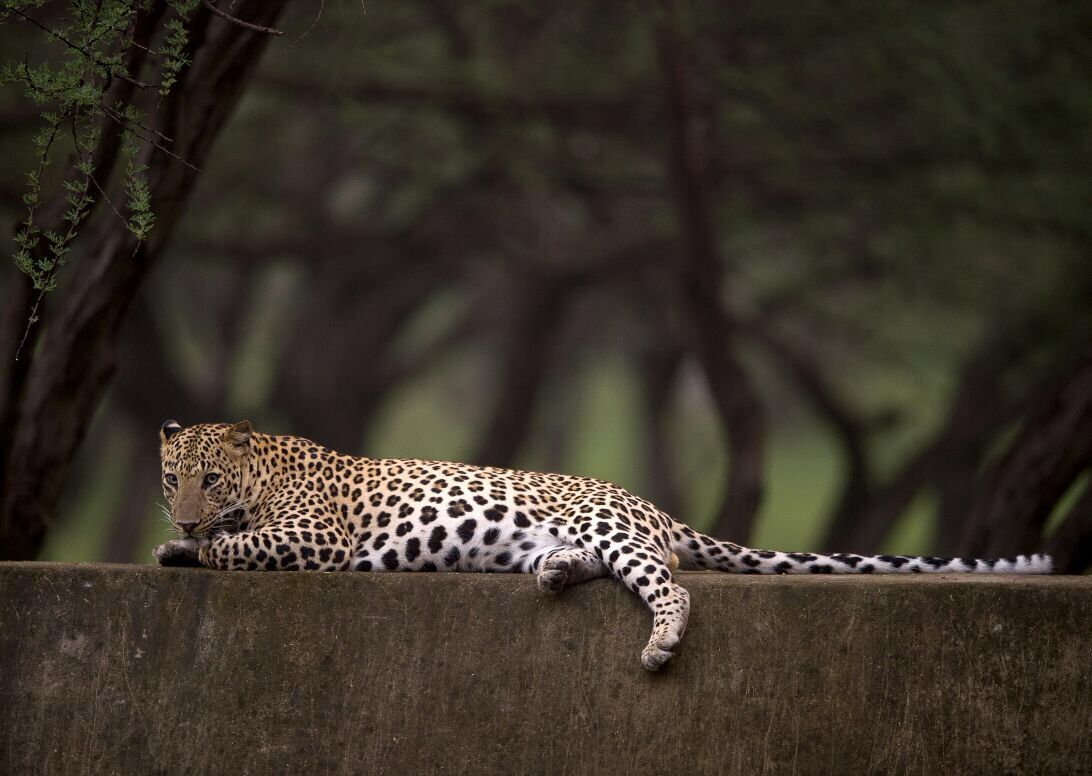
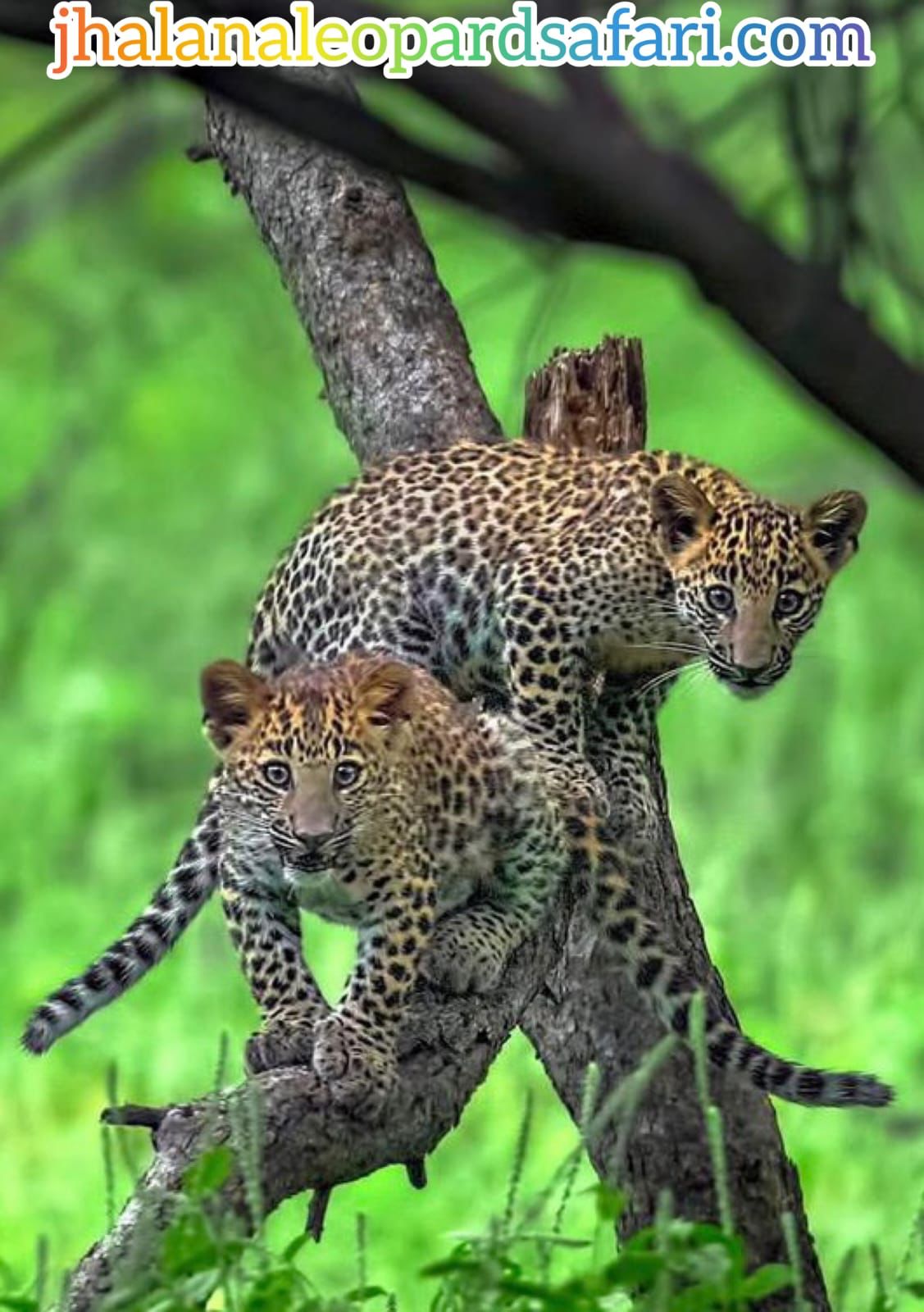
Jhalana Leopard Reserve is home to the majestic Leopard, the apex predator here. Unlike its nocturnal counterparts, the leopards here are diurnal and crepuscular, making them easily visible during the day. Over 20 mammal species, 160 bird species, and 20 reptile species are recorded in Jhalana. Mammals seen here include the Striped Hyena, Golden Jackal, Desert Fox, Rusty Spotted Cat, Jungle Cats, Porcupine, Indian hedgehog, Palm civets, Spotted Deer, Sambhar, Neel Gai, Desert Jerbil, and more. Over 15 species of snakes, 2 Monitor Lizards, 2 Skinks, 2 Lizard species, and a variety of bird species are recorded here, making it a paradise for nature and leopard enthusiasts alike.Jhalana Leopard Reserve is home to the majestic Leopard, the apex predator here. Unlike its nocturnal counterparts, the leopards here are diurnal and crepuscular.

Why Choose BigCat Safari

Experience the Difference

Expertise in Wildlife Safaris

Our team knows the wild inside out, ensuring you the best animal sightings. Every safari is guided by experts who understand nature’s rhythm.

Personalized Itineraries

Your journey is crafted to match your pace, interests, and comfort. We tailor every trip to make it uniquely yours.

Best Price Guarantee

Enjoy the best adventures without stretching your budget. We ensure competitive pricing with no hidden costs.

Experienced Naturalists & Guides

Passionate experts lead every journey, enhancing your safari experience. Their knowledge brings every sighting and story to life.

Best Time To Visit
  • The leopard reserve is famous for its leopard sightings throughout the year, so any time when you are travelling to the pink city is a good time to visit the reserve.
  • All seasons in the jungle have their own charm. Be it winters, summers, or the monsoon season, the backdrop colour changes with every season.
  • Monsoon Season: The park is lush green in the monsoon season and a treat to the eye. At this time, you will see a lot of bird activity and reptile movement.
  • Summer Season: The park is completely dry, offering clear and crisp sightings of leopards, most suited for wildlife photographers and wildlife enthusiasts. Temperatures remain between 35-42 degrees Celsius and can peak up to 45 degrees Celsius during summers.
  • Winters: It’s the best time for being in the jungle as the weather is optimum, and you can see a lot of leopard activity diurnally. Temperatures remain between 10-18 degrees Celsius during winters but can reach up to 2 degrees Celsius.
How To Reach

By Air: Jaipur International Airport is only 6 km away from Jhalana Leopard Reserve, with a short 15-minute drive. The airport is well-connected with domestic and international flights, offering easy access to the reserve. Taxis, cabs, and buses are available at the airport for transportation to Jhalana Safari Park.

By Rail: Jaipur Junction Railway station is the nearest railhead, located approximately 11.7 km from the forest. It is well-connected with major cities like Udaipur, Delhi, Mumbai, etc. Taxis and local buses are readily available at the station for commuting to Jhalana.

By Road: Jhalana is easily accessible by road, with a direct route connecting it to cities like Mumbai, Ahmedabad, Udaipur, Kota, etc. These cities are further connected to major cities across India. Whether you’re travelling from Delhi, Mumbai, or Udaipur, you can reach Jhalana conveniently by road. You can use your own vehicle or opt for state bus services for a hassle-free journey.

Location For Your Ease

Start From ₹1999