
Johad Beed Vulture Safari

4.7

Client Ratings

Descriptions

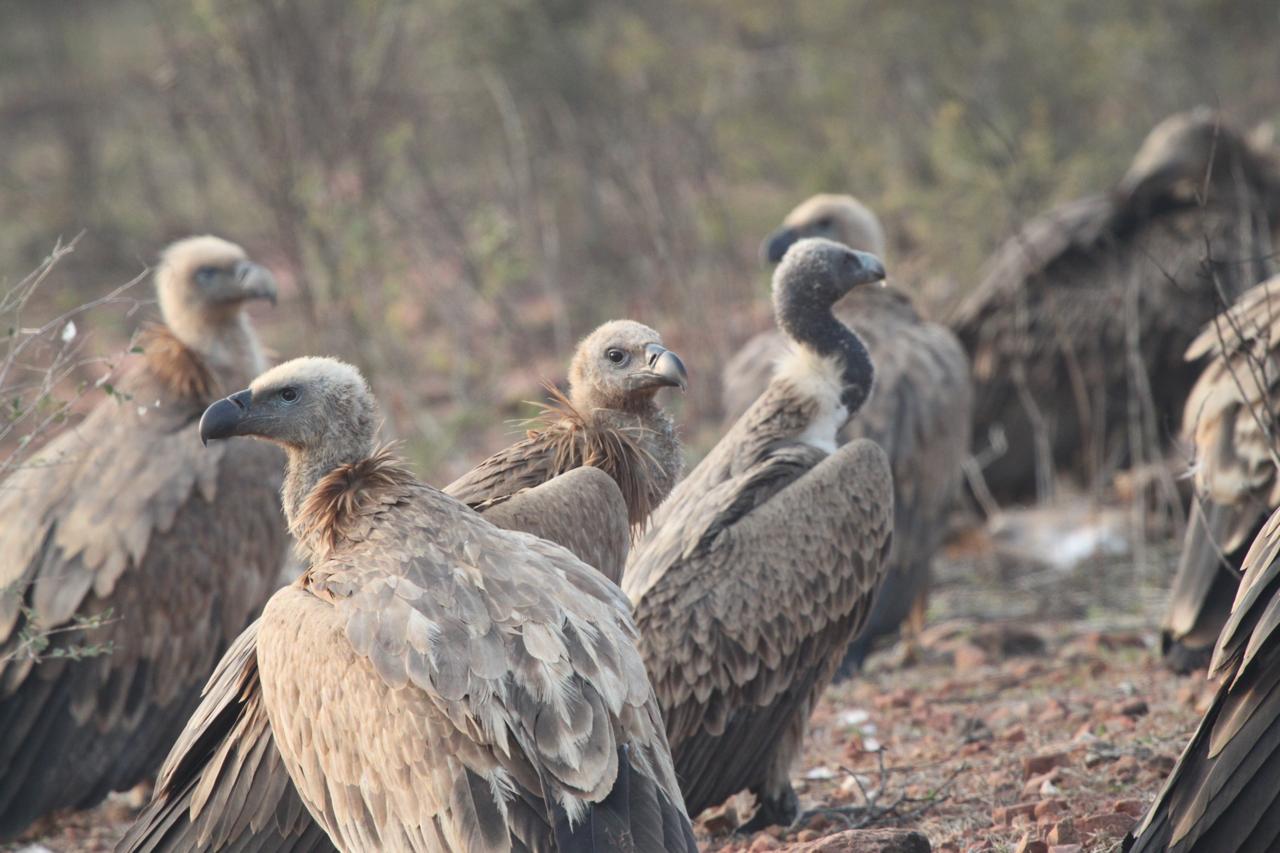
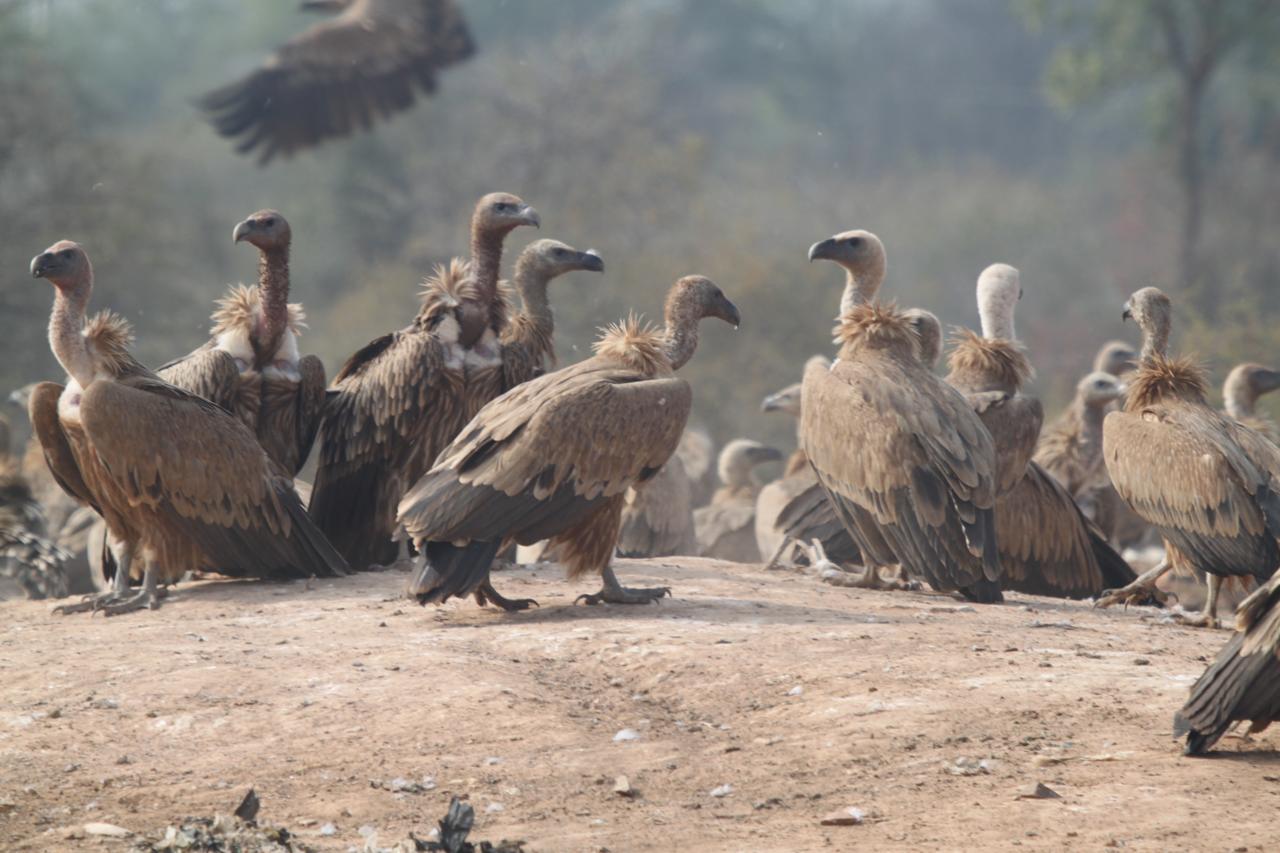
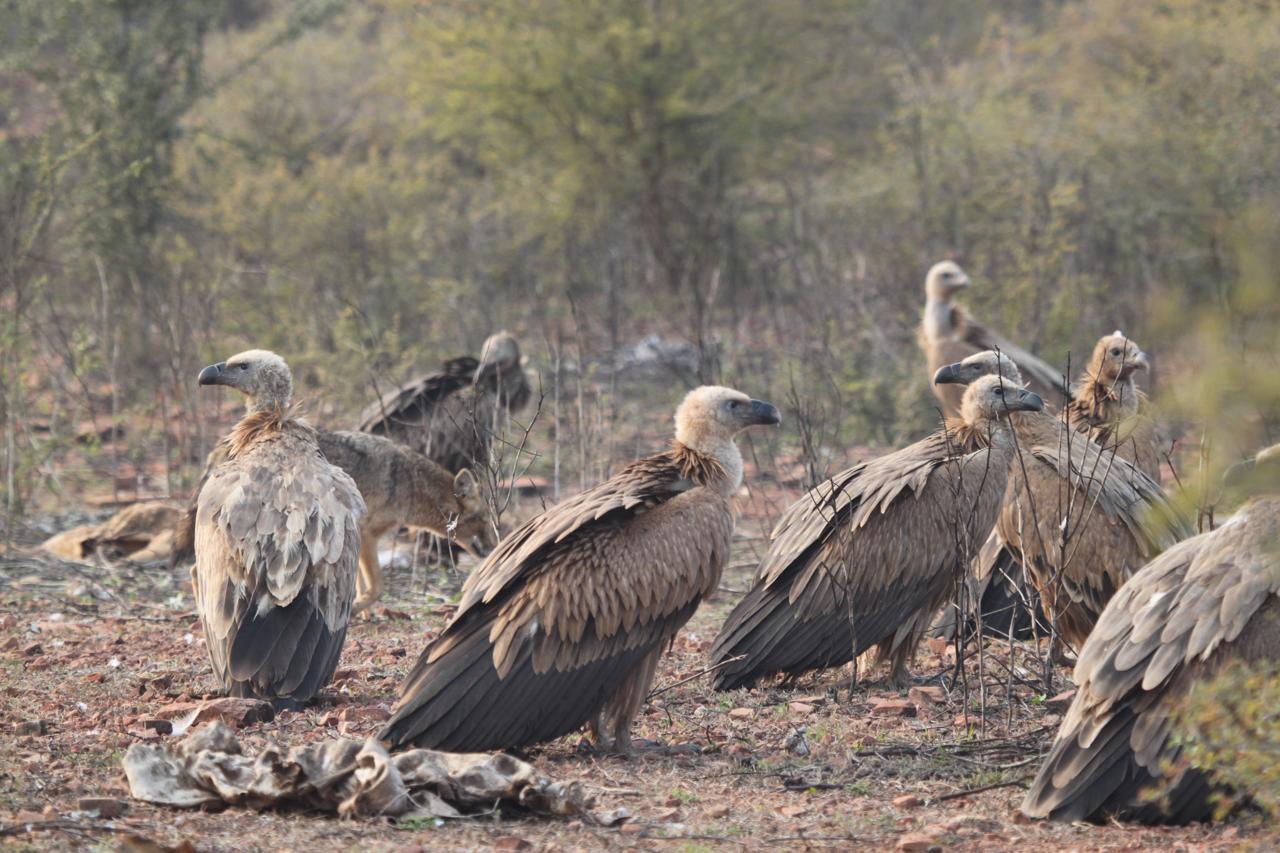
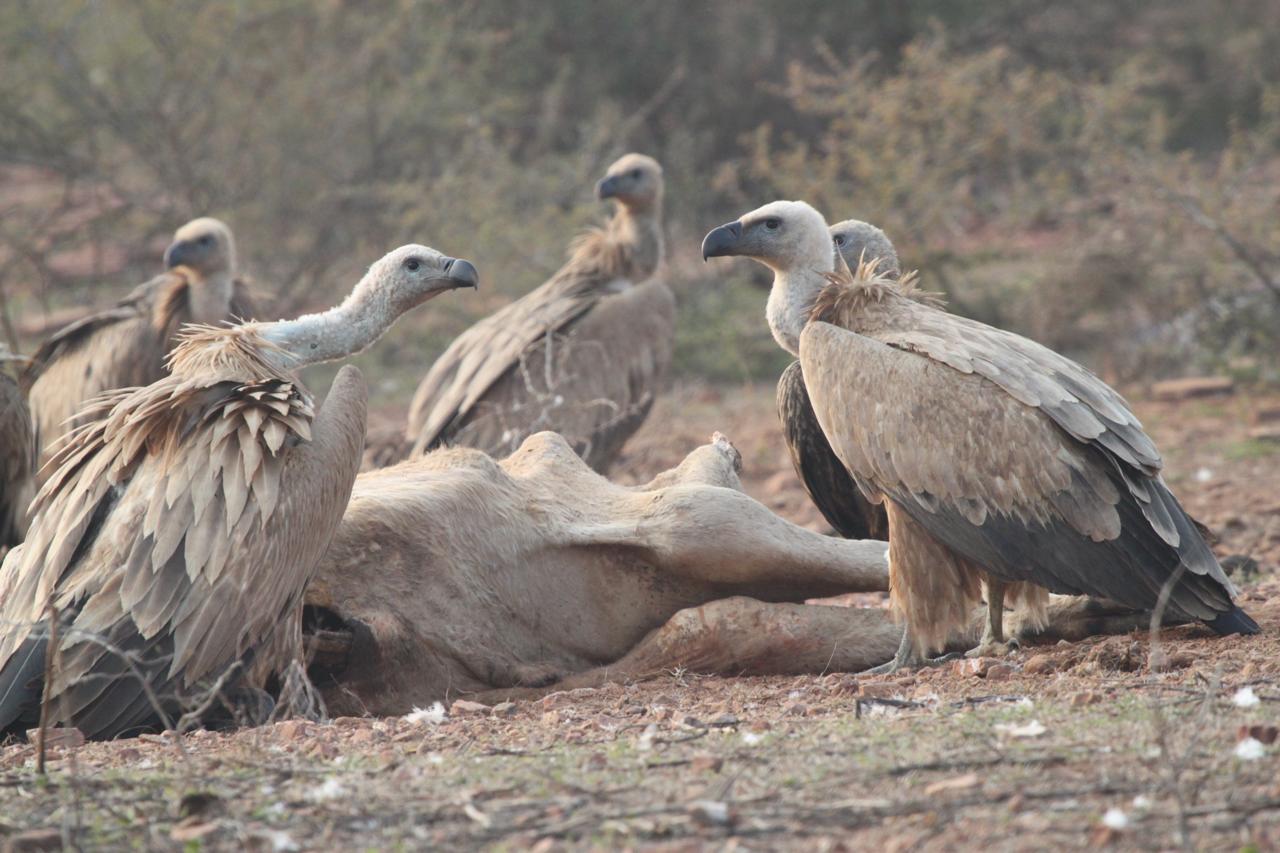
Located near Phalodi in Jodhpur district, the Johad Beed Vulture Safari is a unique wildlife experience that offers visitors a close look at India’s most powerful yet often overlooked scavengers — vultures. This eco-tourism destination is dedicated to vulture conservation and education, showcasing how these majestic birds play a vital role in maintaining ecological balance.

The landscape of Johad Beed is characterized by rocky cliffs, arid plains, and scrub forests, providing a natural nesting and roosting habitat for a variety of vulture species. Unlike traditional safaris focused on tigers or deer, this one gives you a chance to witness the aerial grace and social behavior of vultures in their natural environment.

Run with community participation and supported by forest departments, the safari promotes wildlife awareness and sustainable eco-tourism in Rajasthan’s desert ecosystem.

Book Safari

Start From ₹2500

Booking Form
Flora

Johad Beed’s vegetation is typical of Rajasthan’s semi-arid desert zone, dominated by hardy shrubs and drought-resistant plants.
Common flora includes:

  • Khejri (Prosopis cineraria) — Rajasthan’s state tree
  • Babool (Acacia nilotica)
  • Ber (Ziziphus mauritiana)
  • Aak (Calotropis procera)
  • Cactus and Desert Grasses

These plants not only prevent desertification but also sustain small herbivores and insects that form part of the food chain supporting vultures.

Fauna

Johad Beed is primarily known for its large vulture population, but it also supports a variety of other desert wildlife.
Commonly sighted species include:

🦅 Vultures:

  • Long-billed Vulture (Gyps indicus)
  • Egyptian Vulture (Neophron percnopterus)
  • Eurasian Griffon Vulture (Gyps fulvus)
  • White-rumped Vulture (Gyps bengalensis) — critically endangered
  • Cinereous Vulture (winter visitor)

Apart from vultures, visitors can also spot:

  • Desert Fox, Indian Hare, and Monitor Lizard
  • Peafowl, Partridges, and Larks
  • Migratory birds during winter months

Johad Beed offers a rare opportunity for bird watchers and wildlife photographers to observe vultures up close, often seen circling the cliffs or gathered around feeding areas.

Why Choose BigCat Safari

Experience the Difference

Expertise in Wildlife Safaris

Our team knows the wild inside out, ensuring you the best animal sightings. Every safari is guided by experts who understand nature’s rhythm.

Personalized Itineraries

Your journey is crafted to match your pace, interests, and comfort. We tailor every trip to make it uniquely yours.

Best Price Guarantee

Enjoy the best adventures without stretching your budget. We ensure competitive pricing with no hidden costs.

Experienced Naturalists & Guides

Passionate experts lead every journey, enhancing your safari experience. Their knowledge brings every sighting and story to life.

Best Time To Visit

The best time to visit Johad Beed Vulture Safari is from October to March, when the weather is pleasant, and migratory birds, including certain vulture species, visit the region.

  • Winter (Nov–Feb): Ideal for photography and bird watching.
  • Monsoon (Jul–Sep): The landscape becomes greener and scenic.
  • Summer (Apr–Jun): Extremely hot and not recommended for mid-day safaris.

Safari Timings: Typically between 6:00 AM – 10:00 AM and 4:00 PM – 6:00 PM, depending on season and sunlight.

How To Reach

By Air: The nearest airport is Jodhpur Airport, located about 140 km from Johad Beed. From there, taxis or private vehicles can be hired to reach the safari site.

By Train: The closest railway station is Phalodi Junction, approximately 25 km away, well connected with Jodhpur, Bikaner, and Jaipur.

By Road: Johad Beed is accessible via Phalodi–Jaisalmer Road (NH 11).

  • Distance from Jaisalmer: ~150 km
  • Distance from Jodhpur: ~140 km
    Visitors can easily reach by car, taxi, or through guided eco-tour packages from nearby cities.

Location For Your Ease

Start From ₹2500