
Mukundara Hills Tiger Reserve

4.7

Client Ratings

Descriptions

Tiger Reserve Mukundara Hills: Newest Tiger Sanctuary in Rajasthan
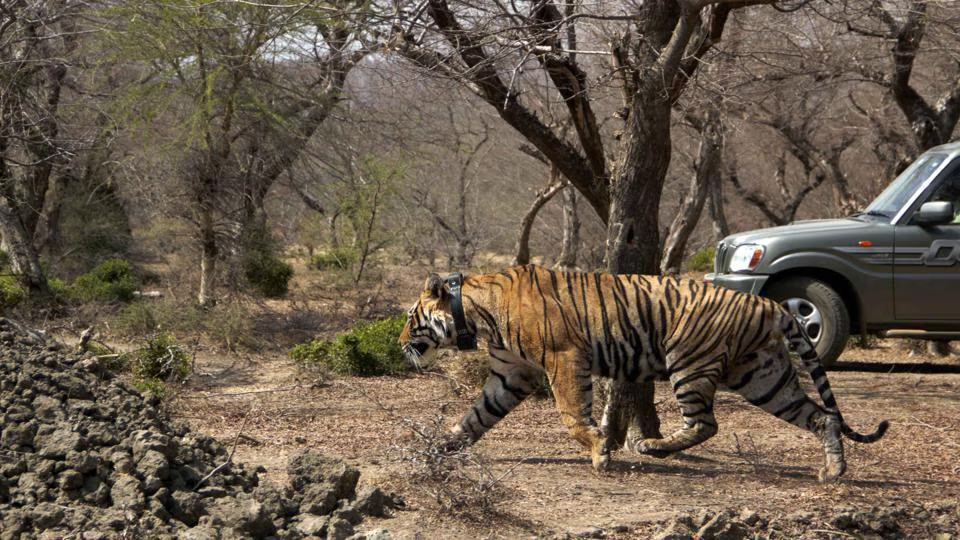
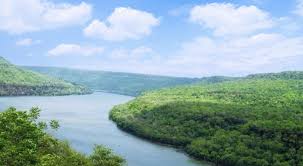
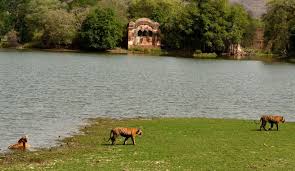
Rising as a conservation success story in the southeast of Rajasthan, Mukundara Hills Tiger Reserve is committed to the preservation and comeback of Royal Bengal tigers. Comprising 759 square kilometres, the reserve is encircled by the Chambal River and the Mukundara mountain range, therefore fostering a perfect habitat for tigers and other animals. With committed attempts to build a self-sustaining tiger population, Mukundara, the fourth tiger reserve in Rajasistan, is significantly helping with tiger conservation.

Promoting Nature Protection and Conservation
Our Veterinary Unit and Quick Response Team at Mukundara Hills Tiger Reserve are dedicated to protect species and advance environmental initiatives.

  • Special programs guarantee the effective reintroduction and long-term survival of tigers. Tiger Rehabilitation & Monitoring
  • injured and displaced animals get medical treatment and rehabilitation under wildlife healthcare and rescue operations.
  • Preventive actions and community involvement support the minimisation of conflicts and protection of people as well as of animals.
  • Conservation projects centre on preserving biodiversity and rebuilding natural environments.

Book Safari

Start From ₹3000

Booking Form
Flora

Dry deciduous forests surrounded with grassy meadows, riverine flora, and thorny scrubs define Mukundara Hills. Among the major tree species are Dhok (Anogeissus pendula), Babool (Acacia), Ber, and Flame of the Forest, which give animals plenty of food and cover. Seasonal streams and the Chambal River feed the terrain, therefore supporting aquatic and semi-aquatic flora.

Fauna

Emerging as a vital tiger habitat with continuous efforts to boost its tiger count is Mukundara. Along with leopards, striped hyenas, jackals, jungle cats, and Indian foxes, the reserve is home The forests and grasslands of the reserve support big herbivores such wild boars, nilgai (blue bull), chital (spotted deer), and sambar deer. While over 200 bird species, including vultures, storks, eagles, and kingfishers, Mukundara is a birdwatcher’s dream come true the Chambal River sustains mugger crocodiles, gharial, and freshwater turtles.

Why Choose BigCat Safari

Experience the Difference

Expertise in Wildlife Safaris

Our team knows the wild inside out, ensuring you the best animal sightings. Every safari is guided by experts who understand nature’s rhythm.

Personalized Itineraries

Your journey is crafted to match your pace, interests, and comfort. We tailor every trip to make it uniquely yours.

Best Price Guarantee

Enjoy the best adventures without stretching your budget. We ensure competitive pricing with no hidden costs.

Experienced Naturalists & Guides

Passionate experts lead every journey, enhancing your safari experience. Their knowledge brings every sighting and story to life.

Best Time To Visit
  • November to February: mild temperature ideal for birdwatching and reserve exploration.
  • March to May: The dry season causes higher animal encounters close to water sources.
  • Monsoon (July to September): Lush vegetation; core areas could be closed.
How To Reach
  • By Air: With domestic airline connections, Kota Airport (50km away) is closest.
  • The closest rail station, Kota Junction (40 km distant), provides access to Mumbai, Delhi, and Jaipur.
  • Mukundara Hills may be reached from Kota, Jaipur, and Udaipur by road; buses and taxis offer quick means of mobility.

Location For Your Ease

Start From ₹3000